
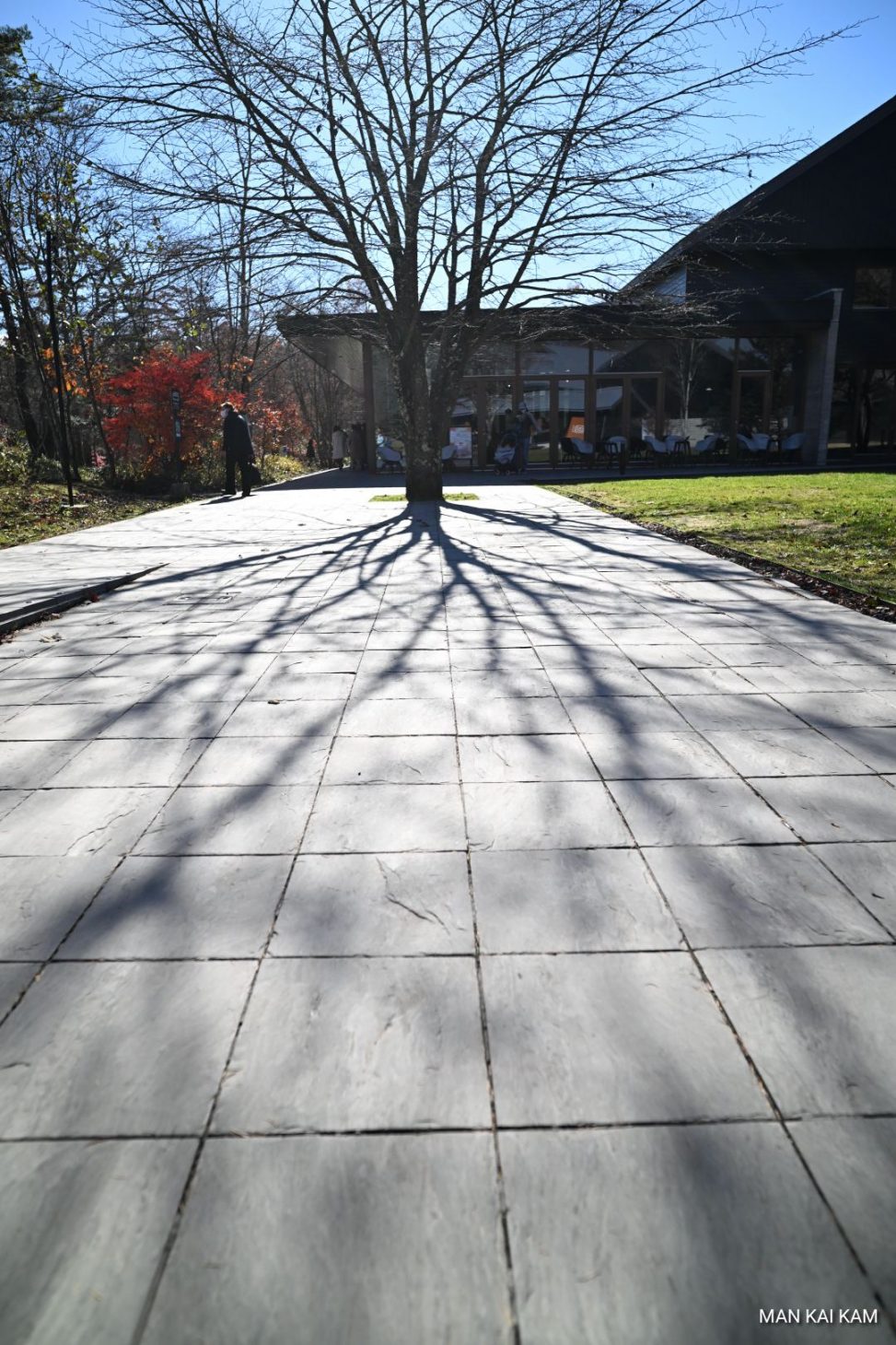
Standing on these quiet stone pathways at Harunire Terrace (ハルニレテラス), Karuizawa Hoshino Area, Nagano Prefecture, Japan, with that crisp mountain air biting at my cheeks, I caught myself mentally rehearsing the usual excuse: I should have just brought my phone. Let’s be honest, capturing this moment could’ve been done in seconds with a pocket device. So why am I still lugging around a camera body that feels more like a piece of tactical equipment than a travel companion?
The Nikon Z8 mirrorless system is undeniably impressive on paper, but in practice, it’s substantial. By midday, my shoulders know exactly where I’ve been carrying it. Add a lens or two, and you’re basically packing a small gym bag into your backpack just to document a weekend getaway. The modern argument is simple: smartphones are phenomenal. Computational photography, seamless sharing, zero friction—why add physical drag to an experience that’s supposed to be about getting lost in the moment?
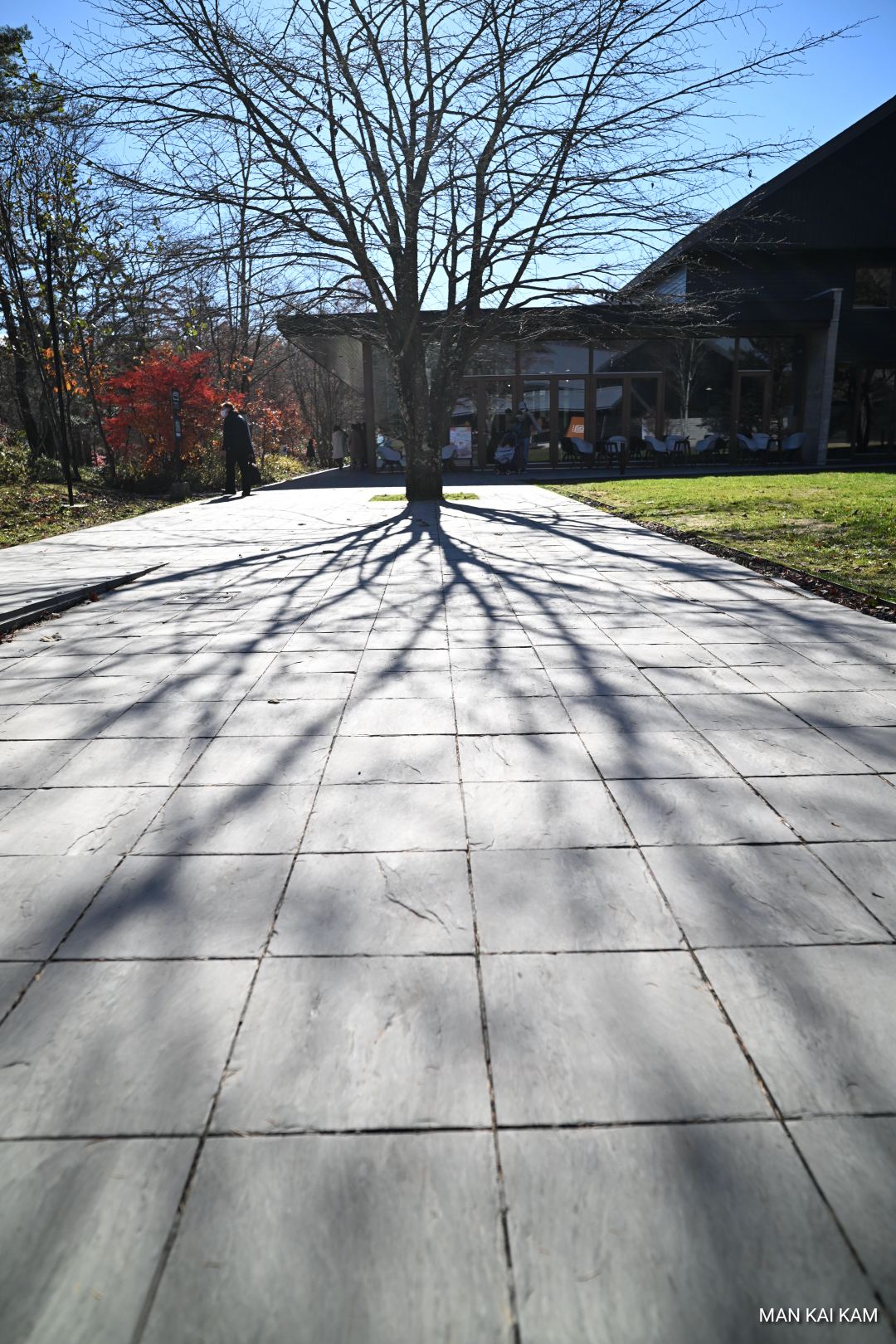
Looking at this shot right now, though, I find myself staring at how the light actually behaves. See how those bare branches stretch their shadows across the paving tiles like ink spilled on paper? A phone might record the scene accurately, but it often flattens it into something merely decorative. The Z8 preserves the texture of the ground, the quiet depth of that clearing blue sky above, and that subtle hint of crimson foliage clinging to the edge of the woods. It doesn’t just document; it remembers with atmosphere.
Convenience doesn’t equal connection. Phones are designed for speed, for scrolling, for blending into the background of our lives. A dedicated camera forces you to slow down, to look through a viewfinder, to commit to a frame before the light shifts or the wind picks up. That intentionality changes how you experience a place. You stop passively consuming and start actively witnessing.
Carrying heavy gear is absolutely a trade-off. My back will remember this trip long after I’ve forgotten what I had for lunch in Karuizawa. And yes, weight is genuinely a concern when you’re hiking trails or navigating bustling transit with full straps digging into your collarbones. But here’s what I keep coming back to: when years pass and I scroll through my archive, the frames that make me pause aren’t the perfectly polished phone snapshots taken while rushing to a train. They’re the ones where the atmosphere feels thick enough to step into—the stillness, the interplay of shadow and light, the quiet mood that actually matches how it felt to stand there.
Physical weight is temporary. Emotional weight lasts. Maybe I’ll pack lighter next time. Or maybe I won’t. Until then, I’ll keep shoulderering the Z8, because some moments deserve more than just a quick capture. They deserve to be preserved exactly as they breathed.
Leave a Reply
You must be logged in to post a comment.